Built by someone who watched the documentation problem up close for a decade
Anil Mehta founded Charthalo in Cambridge in 2025 after years in clinical NLP engineering — building the kind of language models that, in theory, could solve the after-hours charting problem physicians have been describing since the EHR became mandatory.
The insight was simple: the work of medicine happens in the exam room. The chart should write itself while you're still there — not two hours after you've driven home.

How Charthalo came to be
Anil grew up in a household where medicine was the family profession — an aunt who practiced internal medicine in a suburban primary care practice, a cousin who moved into emergency nursing. What he remembered from childhood wasn't the clinical work itself, but what followed it home: charts on the kitchen table at 9pm, calls with the billing office on weekends, notes reconstructed from memory long after the patients had left.
After nearly a decade in machine learning engineering — working on spoken language understanding systems and clinical NLP pipelines at health technology companies — Anil had accumulated both the technical context and a personal understanding of what the problem actually was. The bottleneck wasn't intelligence; it was structure. The encounter happened in conversation, but the documentation system demanded structured prose written hours later from memory.
Ambient AI documentation had been discussed in clinical informatics circles since at least 2019, but the tooling stayed enterprise-locked, required heavy EHR integration, or was priced beyond the reach of an individual physician. Charthalo started from the opposite constraint: what does this look like if it works in a browser tab today, for a single physician in private practice, with no IT department involved?
Charthalo was incorporated in Cambridge, Massachusetts in 2025. We're a small, deliberate team. Anil reads every message from a clinician who reaches out.
Founded 2025 • Bootstrapped • Cambridge, Massachusetts
Clinicians spend less time on documentation and more time on patients.
Not "transforming healthcare." Not a platform. One specific problem — after-hours charting — solved well enough that clinicians who use Charthalo don't go home to a documentation inbox.
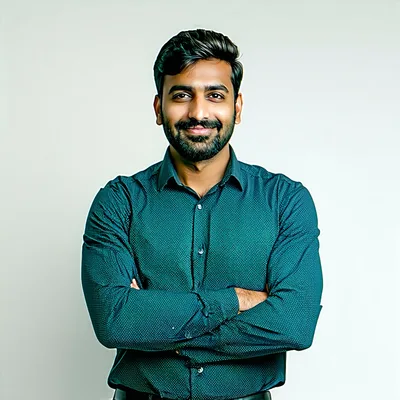
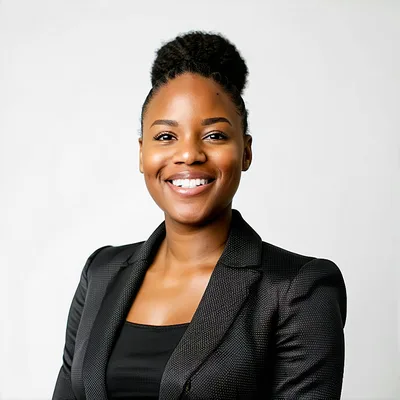
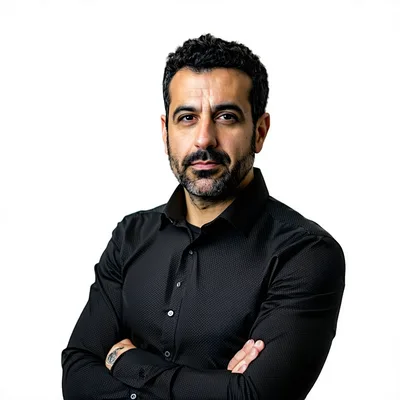
The people building Charthalo

Built in the healthtech corridor of New England
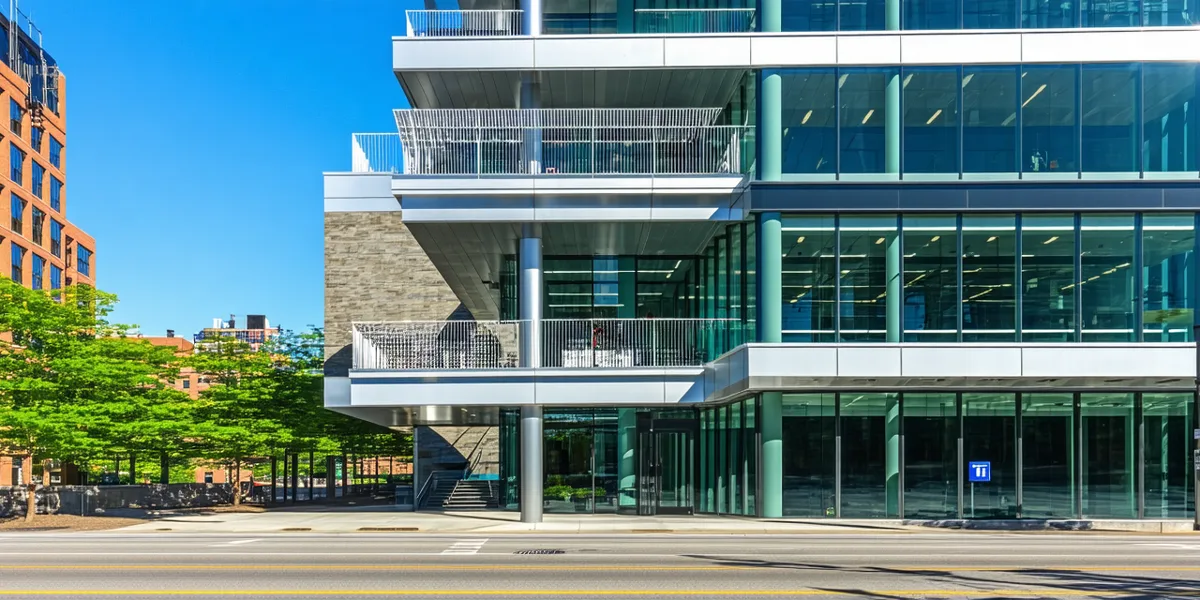
Cambridge's Kendall Square area is home to a dense concentration of health sciences, clinical informatics, and biotech talent. The hospital networks nearby — Brigham and Women's, MGH, Cambridge Health Alliance — are part of the clinical community we talk to and learn from.
We're a small team by choice. We move fast, talk directly to clinicians, and don't present ourselves as larger than we are. The Cambridge address means proximity to the people whose problem we're actually solving.