Clinical Documentation Insights
Writing on ambient AI scribes, the mechanics of SOAP note generation, after-hours charting, and clinical documentation workflows — from the Charthalo team in Cambridge, MA.
All articles

Ambient AI vs. EHR Templates: Which Actually Saves Clinician Time?
EHR template macros were supposed to speed up documentation. Ambient AI scribe tools operate on a different premise — capture the conversation, structure it afterward. We compare what each approach actually asks of the clinician.

Why Clinicians Still Chart After Hours (and What It Costs Them)
After-hours charting has become so routine in medicine that many clinicians have stopped seeing it as a problem worth naming. The workforce data — turnover, burnout, early career departure — tells a different story.
How Structured Clinical Note Generation Works Under the Hood
From ambient audio capture through transcript processing to a structured SOAP note — a plain-language explanation of what clinical documentation AI is actually doing under the hood, and where the hard parts are.
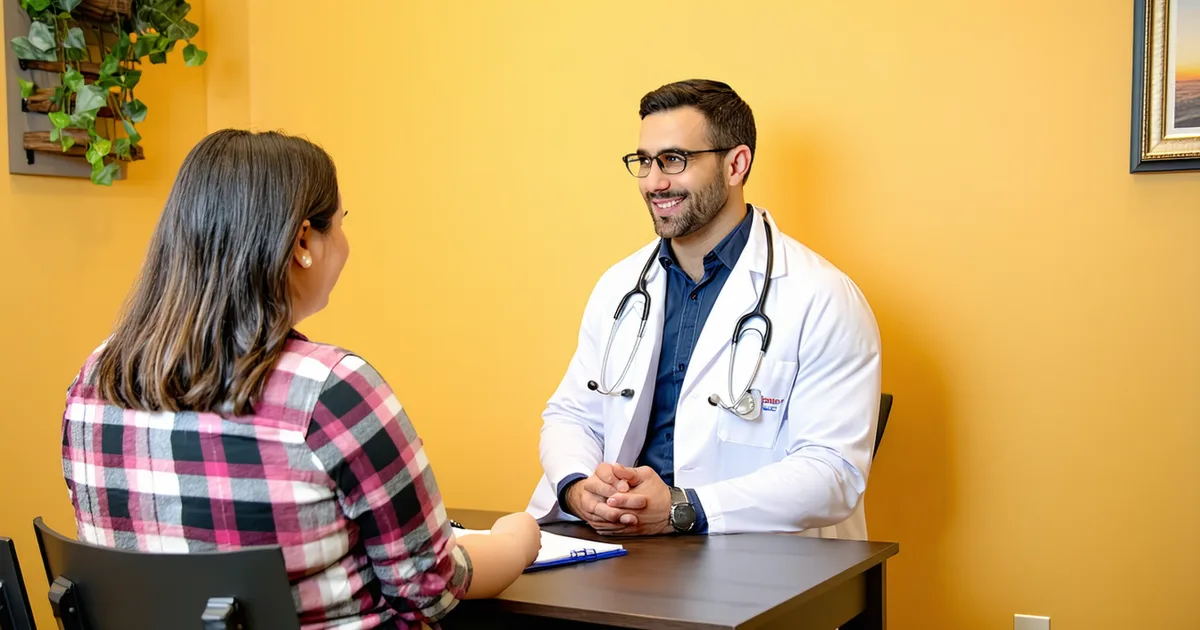
Reducing Documentation Burden in Primary Care: Practical Approaches
Primary care clinicians carry the highest documentation load in ambulatory medicine. This piece covers practical approaches — from dot-phrase macros and Dragon Dictation to ambient AI scribes — and where each option actually fits in the clinical day.
The SOAP Note in the Age of AI: What Changes, What Stays the Same
The SOAP format has organized clinical thinking since Weed's 1960s problem-oriented medical record. Ambient AI scribes don't replace that structure — they populate it from conversation rather than from memory. Here's what changes, and what doesn't.
Ambient AI Scribe vs. Traditional Dictation: A Side-by-Side Comparison
Physician dictation — Dragon, M*Modal, traditional transcription services — has served clinical documentation for decades. Ambient AI scribes are a different architectural bet. We compare how each works, what each costs in time, and what the reported tradeoffs actually are.